Send Again
Close
Pimcore Shopify Connector connects Pimcore 12 with Shopify for two way product data sync. It keeps both platforms up to date without manual CSV imports. Manage products, collections, variants, images, and stock from Pimcore. Changes sync to your Shopify store automatically. This saves time and reduces errors.
Keep product content, translations, SEO fields, option values, and metafields in sync between Pimcore and Shopify with the Shopify Translation API. Import and export data with background jobs. Track each sync with live progress, clear logs, and error reports. This makes it easy to find and fix problems.
Built in ID mapping helps stop duplicate records. Safe create and update actions keep your product data accurate and reliable. This connector manages multiple Shopify stores, sales channels, and currencies with secure authentication.
Additionally, to manage in store orders, customers, agents, outlets, and synchronise orders, inventory, and customer data seamlessly, check out Pimcore POS System.
Sync products, collections, variants, images, and stock between Pimcore and Shopify.
Connect Pimcore 12 to Shopify with the Shopify Admin GraphQL API.
Keep product details, SEO data, and translations the same in every language.
Map Shopify data to custom Pimcore DataObject classes and fields.
Import Shopify metafields into Pimcore and manage them with ease.
Manage product prices for different sales channels and currencies.
Track import and export jobs with progress, status, and logs.
Use ID mapping to stop duplicate records during every sync.
Pimcore Shopify Connector keeps product data synced between Pimcore and Shopify, reducing manual updates and data inconsistencies. Default systems rely on manual edits or CSV files, making product, price, and inventory updates slow and error prone.
The connector automates two way synchronisation with accurate product data, faster updates, and efficient catalogue management across both platforms.
Apart from this, to enable customers to raise support tickets, receive responses from Shopify Admin, and streamline customer service with Shopify UVdesk.
Manage large product lists in Pimcore and sync products, options, and collections with Shopify to keep your product list up to date.
Sell in different countries by syncing product details, SEO data, and translations between Pimcore and Shopify.
Use Pimcore as your product hub and send product data to all Shopify sales channels.
Map Shopify fields, custom fields, and product details to Pimcore classes, so your product data stays organised and easy to manage.
Manage stock, prices, and product costs in Pimcore, then sync every change with Shopify to keep your data accurate.
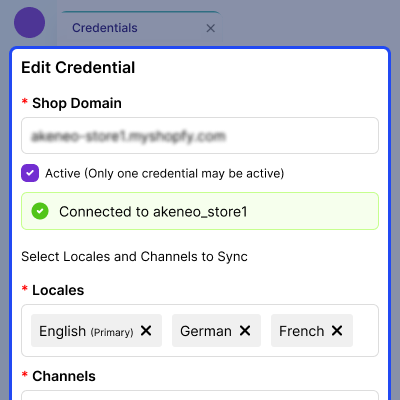
Manage multiple Shopify stores from one Pimcore system by saving separate login details for each store.
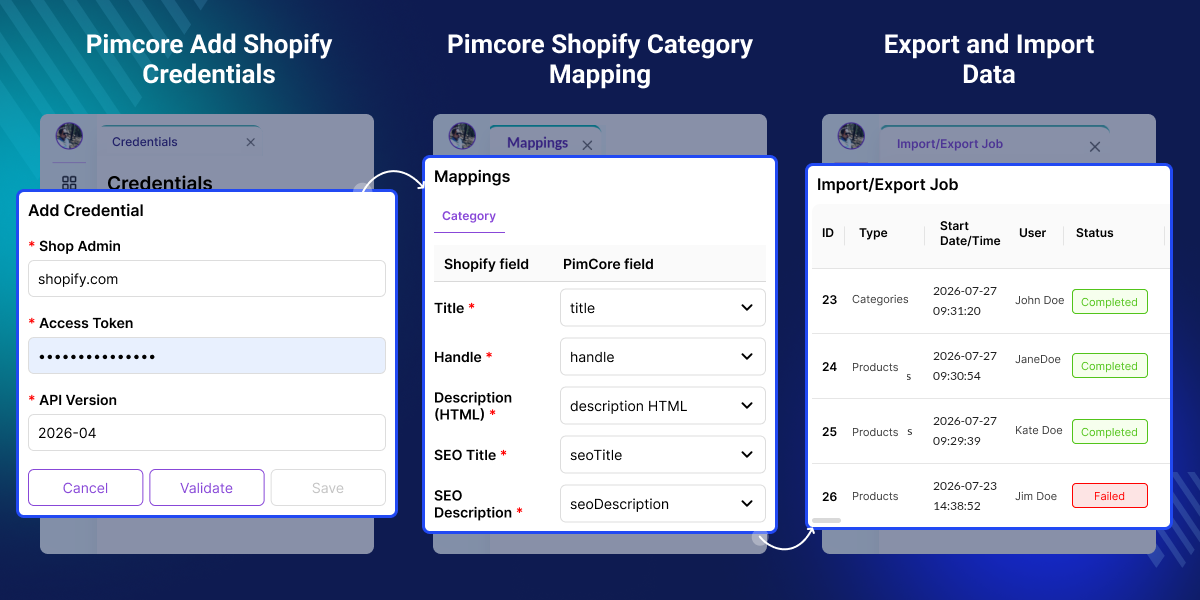
Pimcore Shopify integration helps you manage Shopify API credentials in one place. Connect your Shopify store securely, reduce setup errors, and keep data synchronised.
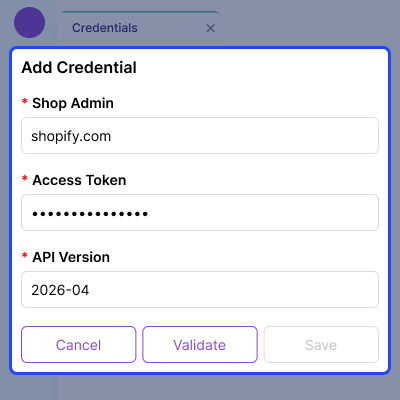
Shopify Pimcore integration lets you save object mappings and match keys in one place. Update your settings at any time and keep every import and export job consistent.
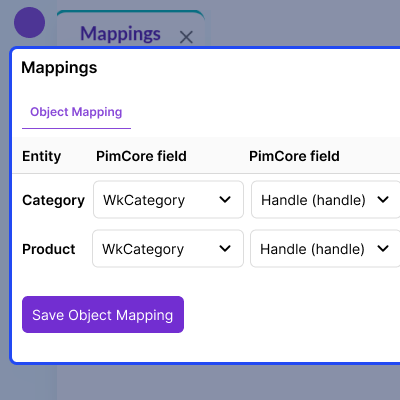
Pimcore 12 Shopify integration lets you import data from Shopify into Pimcore, start import jobs anytime, monitor progress, and review results to quickly identify and resolve issues.
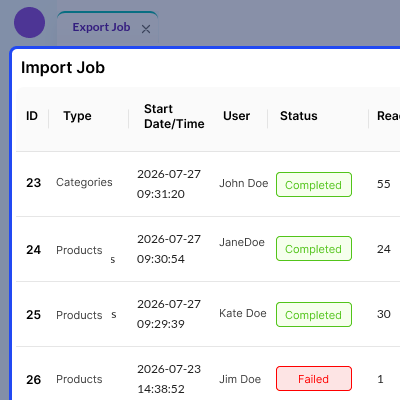
Shopify Admin GraphQL API export maps Pimcore data to Shopify in a few clicks, letting you start export jobs, monitor progress, review results, and quickly resolve synchronisation issues.
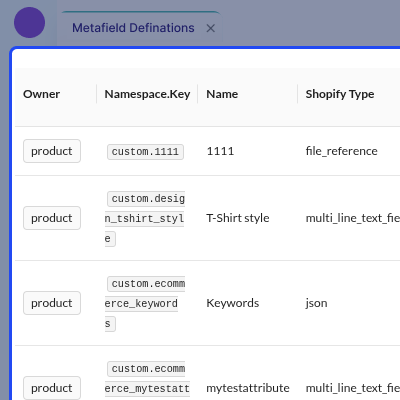
Shopify data synchronisation lets you manage Shopify metafields in one place, update metafield details with ease, and keep Shopify and Pimcore data synchronised.
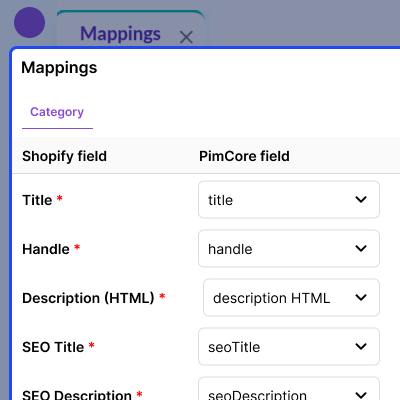
Pimcore PIM for Shopify lets you map Shopify category fields to Pimcore, keeping category data accurate, synchronised, and easy to manage while reducing manual work.
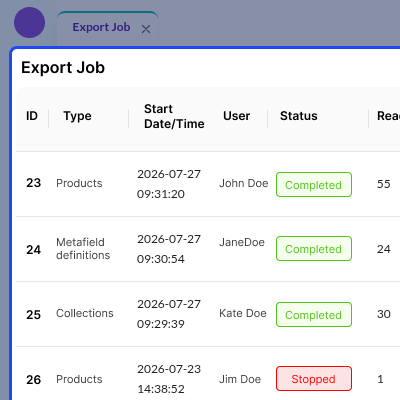
Pimcore eCommerce integration lets you track Shopify export jobs, monitor progress in real time, review job results, and quickly identify and resolve synchronisation issues.
Manage your Shopify connection and sync settings in one place to securely connect Shopify with Pimcore and keep your data in sync.
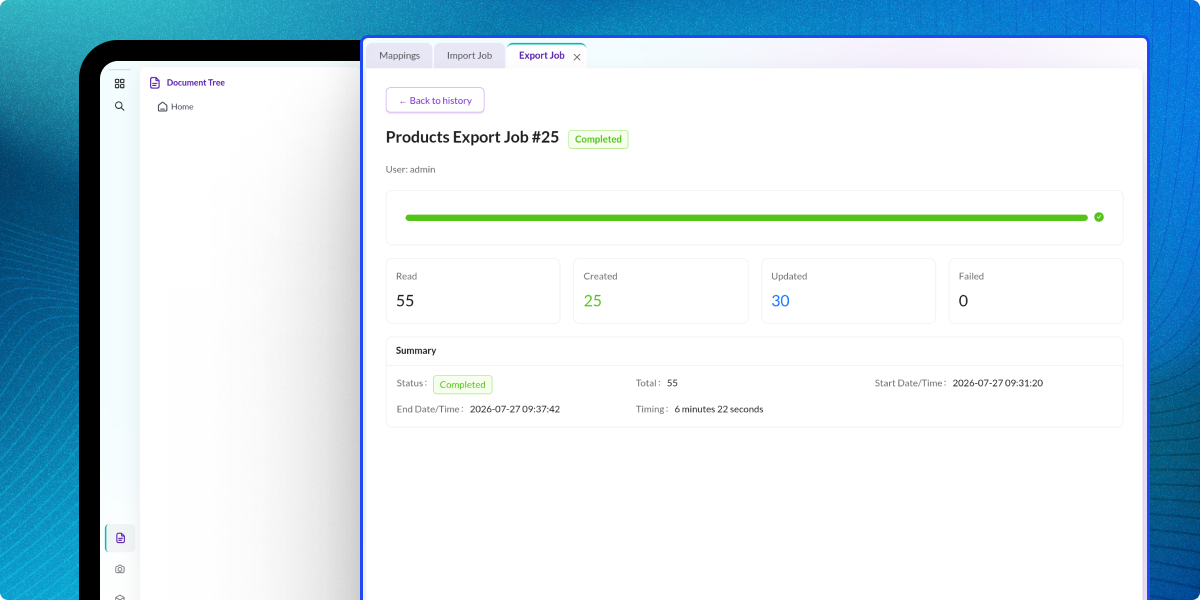
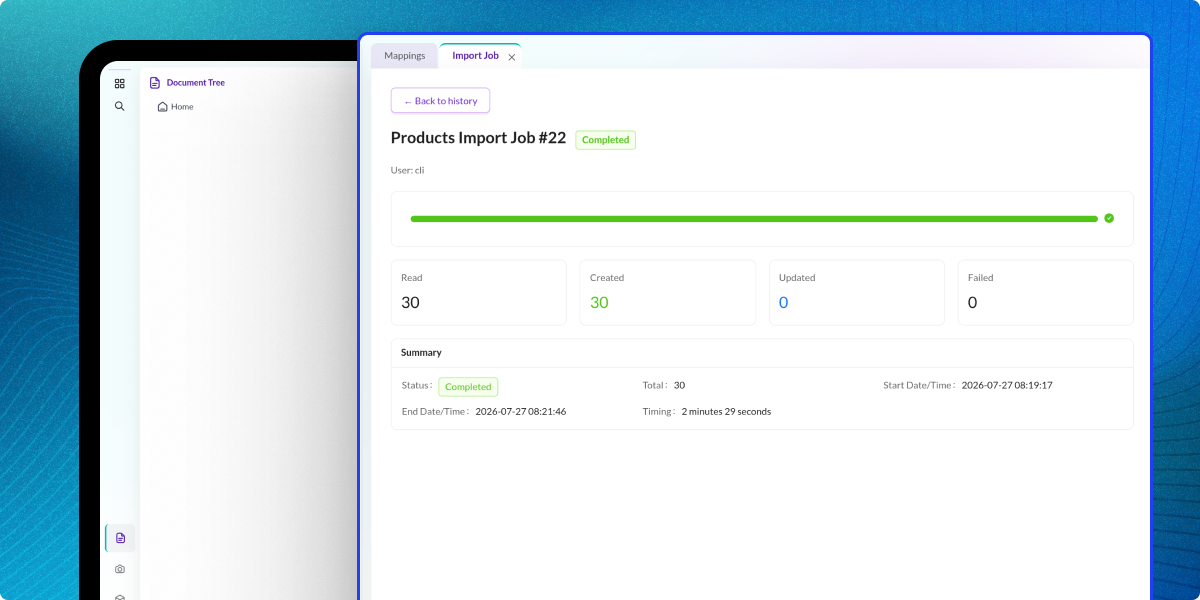
Import job summary provides complete visibility into each synchronisation task, including progress, processing statistics, timestamps, and execution status.
Marks & Spencer (also known as M&S) is a prominent British brand that has been in operation for over 130 years. It is renowned for providing high-quality clothing, homeware, and food products. It is a trusted name in the retail industry, serving millions of consumers worldwide.
Marks & Spencer utilizes Shopify, a popular SaaS-based eCommerce platform, for its Philippines online store, benefiting from Shopify's well-developed retail ecosystem and ease of use.
By integrating the Webkul Pimcore Shopify Connector, Marks & Spencer successfully reduced time and improved speed to market, enabling easy synchronization of product information between Pimcore and the Shopify shop. Read Marks & Spencer case study to know more.

For any query or issue, please create a support ticket here http://webkul.uvdesk.com/

Very accommodating support team. Thanks Adarsh and Avneesh. They can resolve the issues for a very minimal amount of time.
The connector uses the Shopify Admin GraphQL API to import and export catalogue data between Pimcore and Shopify.
Yes, import Shopify collections into Pimcore and export them back to Shopify. This keeps collection data the same in both systems.
Yes, map Shopify data to custom Pimcore DataObject classes and fields. This gives you full control over your data structure.
Yes, images upload as files instead of links. This lets you use private Pimcore assets in Shopify without public image URLs.
Yes, export products from Pimcore to the Shopify sales channels you choose and manage product availability from one place.
This connector uses Pimcore to Shopify ID mapping to find existing products, and it updates them instead of creating duplicate records.
Failed records are logged with error details, and other records keep processing, so the sync job does not stop.
Yes, stop a sync job at any time and run it again without creating duplicate products because the connector updates existing records.
Yes, save credentials for multiple Shopify stores, but only one store can be active for synchronisation at a time.
This connector detects deleted Shopify products. It updates the Pimcore to Shopify mapping during the next synchronisation.
Yes, background processing, field mapping, and job monitoring help manage large product catalogues with ease.
Detailed technical features and requirements to help you understand the module’s capabilities and ensure smooth integration with your system.
Detailed technical features and requirements to help you understand the module’s capabilities and ensure smooth integration with your system.
We’re partnered with top-tier, trusted providers!
Want to know more how exactly we are going to power up your eCommerce Website with Cloud to fasten up your store
* Server Configuration may vary as per application requirements.